120° · FOUNDER
VOLSTEAD
CIRCLE
A learning and drill platform for drinks professionals. Cocktails first, other categories much later.
VISIT VOLSTEADCIRCLE.APP →
- STATUS
- In development, private beta
- PLATFORMS
- iPhone, Android planned
- LANGUAGES
- English now, Italian, French and German planned
- BUILT WITH
- SwiftUI, Next.js, Supabase
WHAT IT DOES
- 01
Daily drills
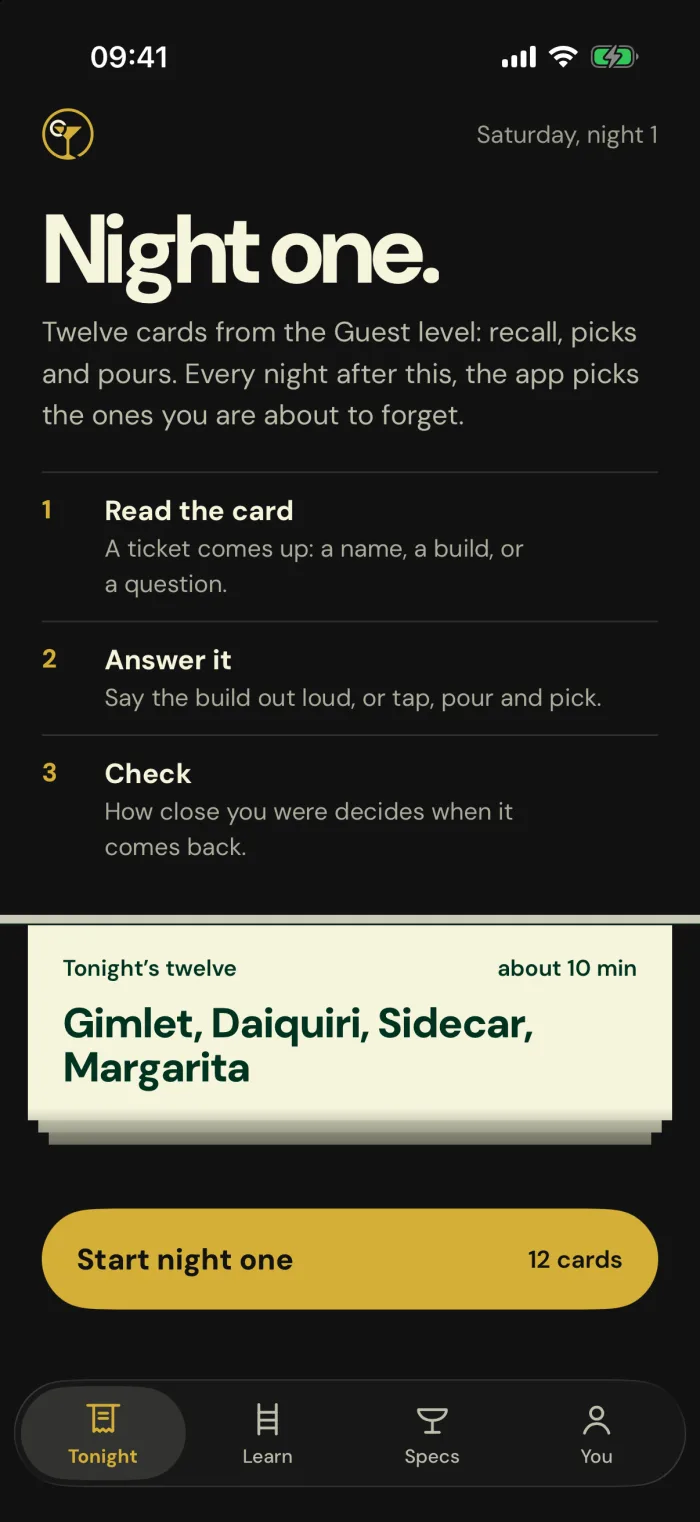
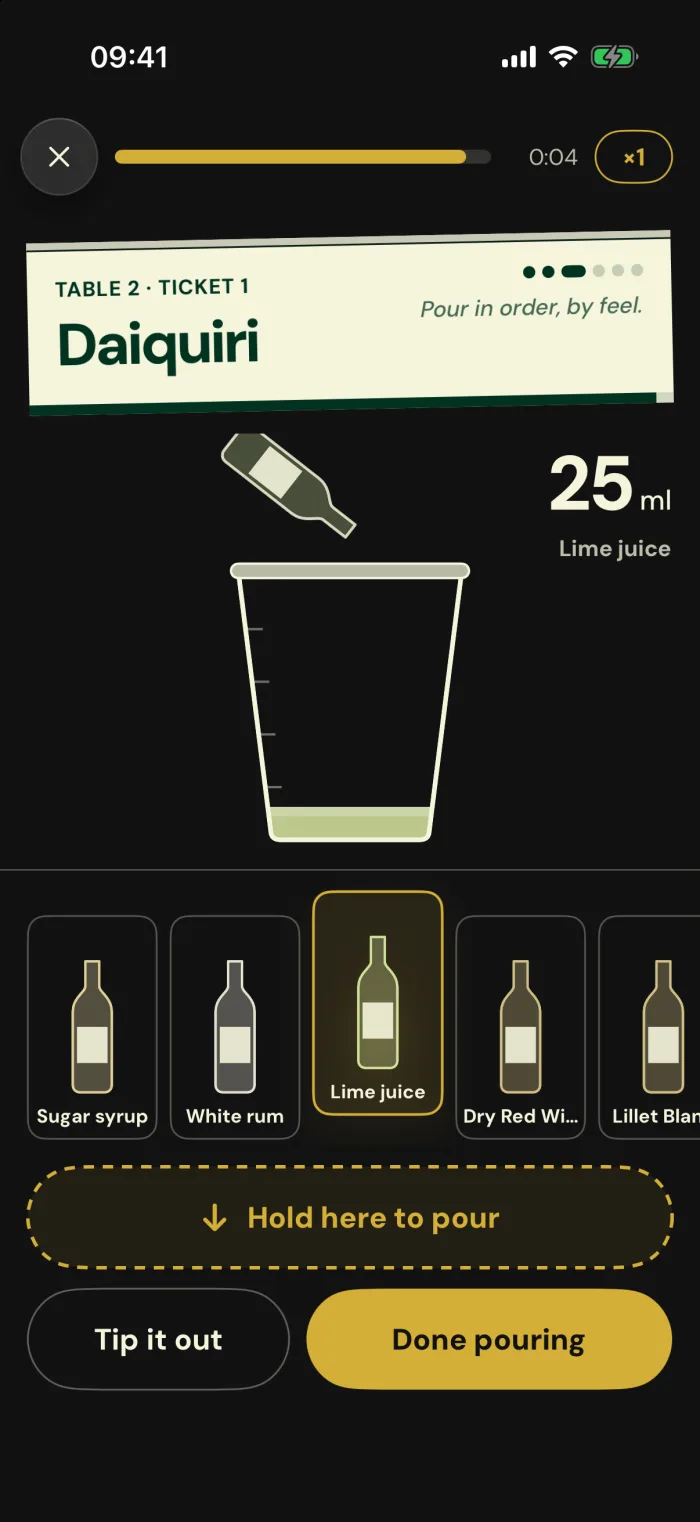
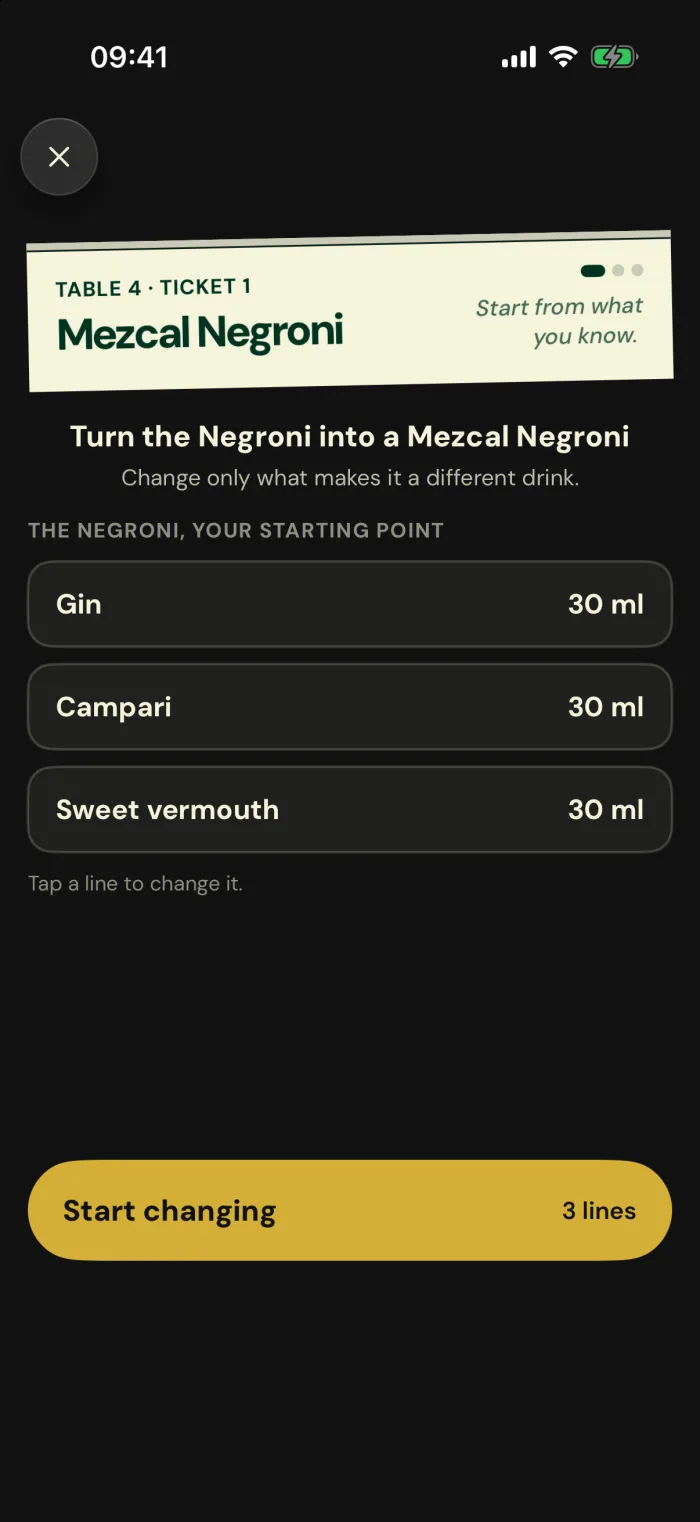
Spaced repetition over drink specs, with streaks, mastery per drink, a placement test and lessons. Cards play like games: build a drink pour by pour, or swap the one ingredient that is wrong.
- 02
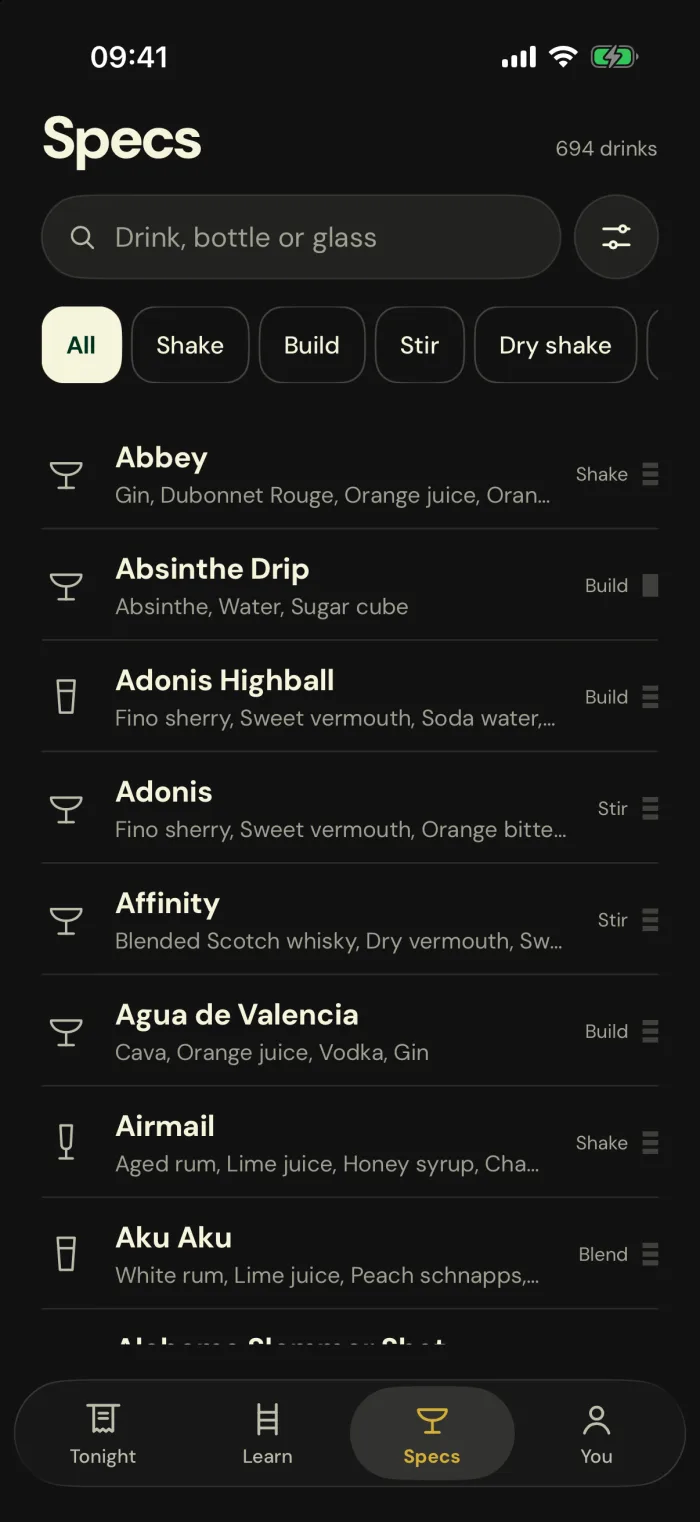
694 cocktails and shots
Each has a spec on a paper ticket, a numbered method, how the bottle you pick changes the drink, its story and its family. Glossary terms open a definition in place.
- 03
My bar
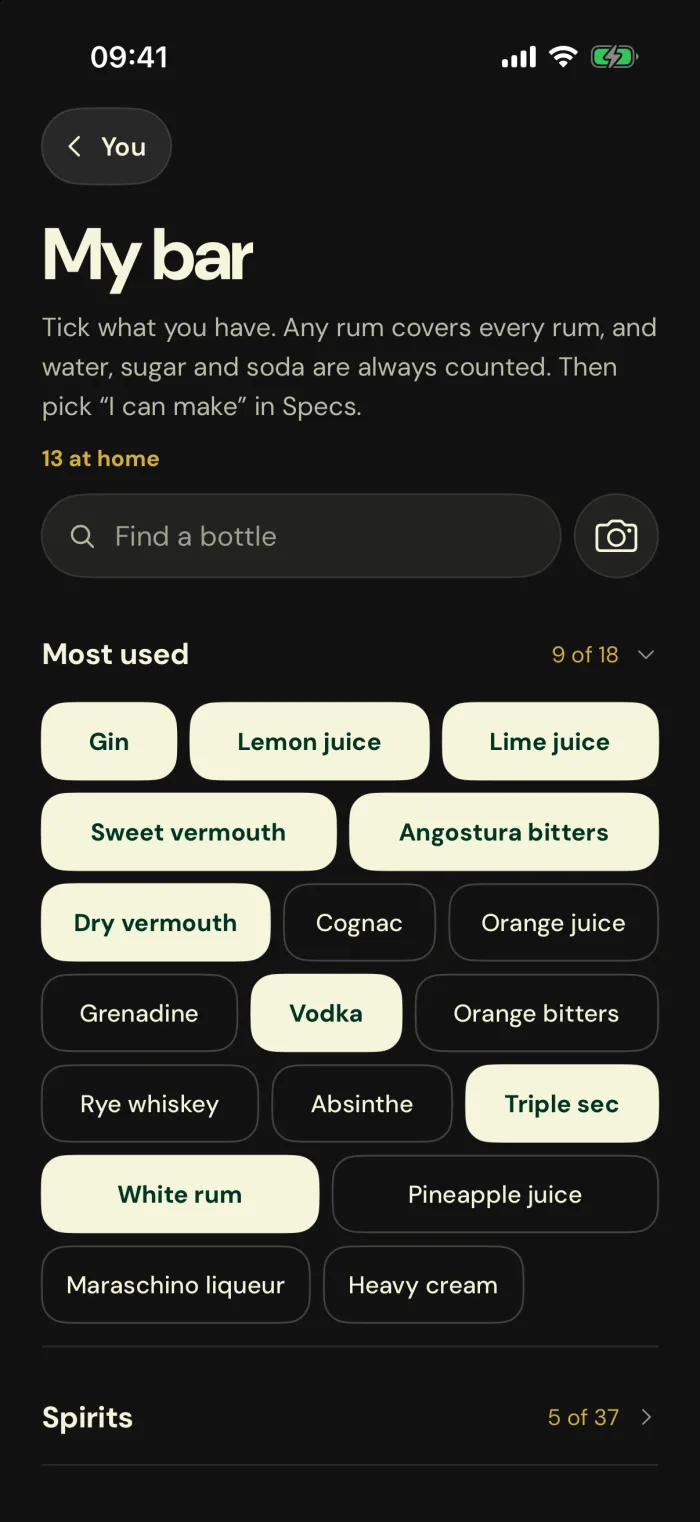
Tick the bottles you own and filter what you can make. Scan a photo of your shelf: the text is read on the device and nothing leaves the phone.
- 04
A free path to try
Guided journeys by chapter, a passport of drinks you have tried and a want-to-try list, for people who just like drinks.
It is made for aspiring and working bartenders, people with five minutes before a shift rather than an evening on the sofa: short daily drills that train the specs, ingredients and technique until they stick. Enthusiasts get a free path of their own. I build it with a partner, with AI assistance.
One knowledge graph of drinks, ingredients, techniques and glassware feeds everything, so the reference pages, the lessons and the drill cards come from the same data and a correction is made once.
The scheduler is a Swift port of the open-source ts-fsrs, checked against fixtures generated by the TypeScript core, so iOS and the Android app to come behave identically. Content is JSON validated into a versioned bundle; the backend is Supabase in the EU.
It is early. The specs and method steps are AI-drafted and not yet checked by a bartender, and nothing is called a certification, because no body stands behind it.